
Solar Power Plants Built on Open Land
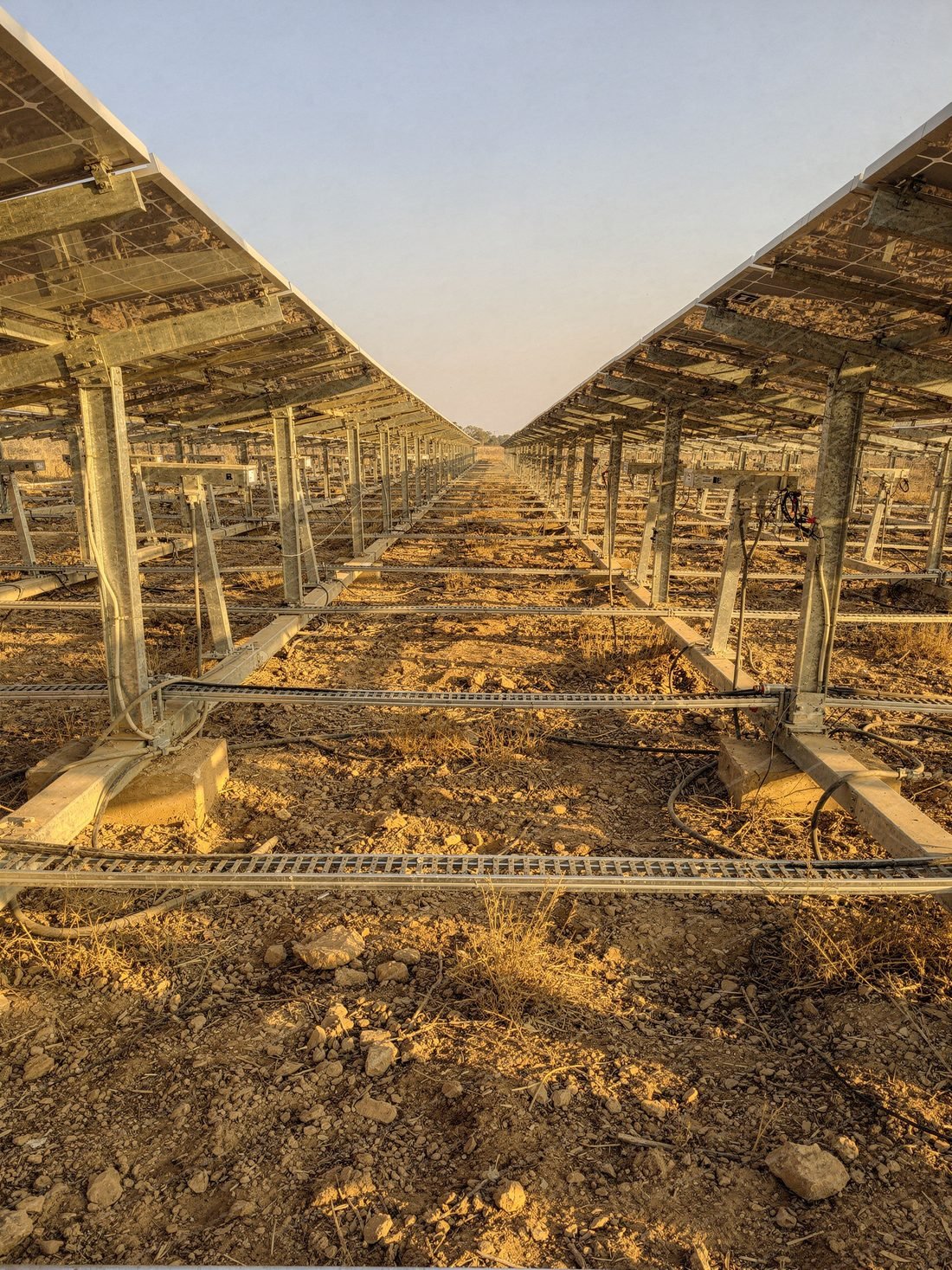
A ground mounted solar plant puts solar panels on steel structures fixed into open land instead of on a roof. It is how solar is built at megawatt scale, for a factory that needs more power than its roof can hold or for a developer selling power to the grid.
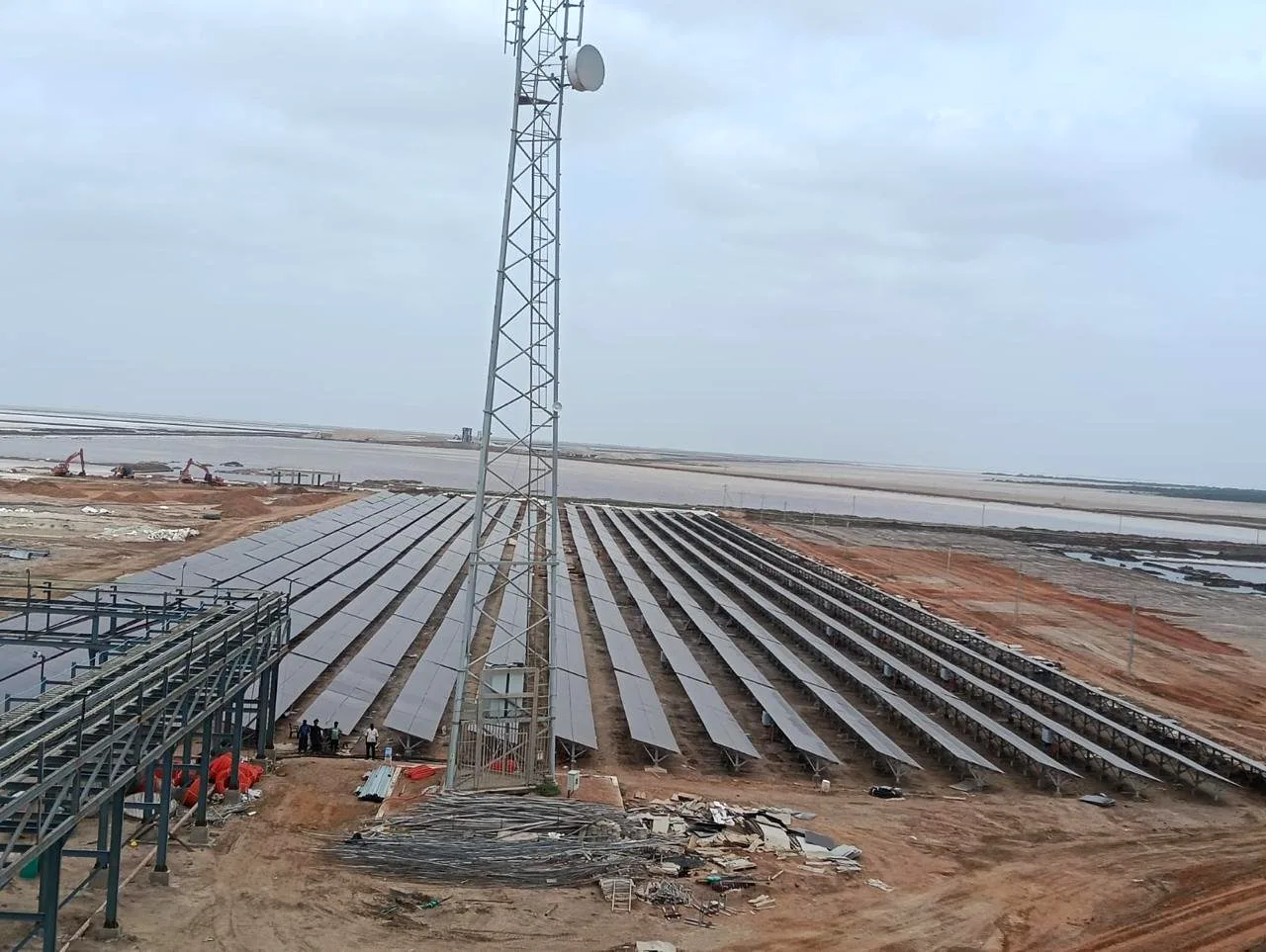
ASV Energy Solutions, based in Gandhinagar, has worked on 77.75 MW of ground mount capacity across nine projects in Gujarat, Maharashtra and Madhya Pradesh, including the 6 MW Kutch plant built on a full EPC scope.

Why Landowners and Industries Choose ASV for Ground Mount Solar
- 01
Experience on MW-scale sites
We have built ground mount plants in Gujarat, Maharashtra and Madhya Pradesh, including full EPC for a plant in Kutch, where structures have to be designed for cyclone wind loads.
- 02
Soil and land checked before design
A contour survey and soil test come first. Foundations, pile depth, row spacing and drainage are designed for your plot, so the structure does not settle or rust out with panels on top.
- 03
Approvals run alongside the design
NA permission where needed, GEDA registration, grid connectivity from GETCO or the DISCOM and the electrical inspector’s drawing approval are started early, because paperwork usually takes longer than construction.
- 04
Sized for how the power will be used
Captive use next to your factory, wheeling to a unit elsewhere in Gujarat or selling power each change the right plant size and evacuation line. We plan around your load and the nearest substation.
77.75 MW Across Nine Projects
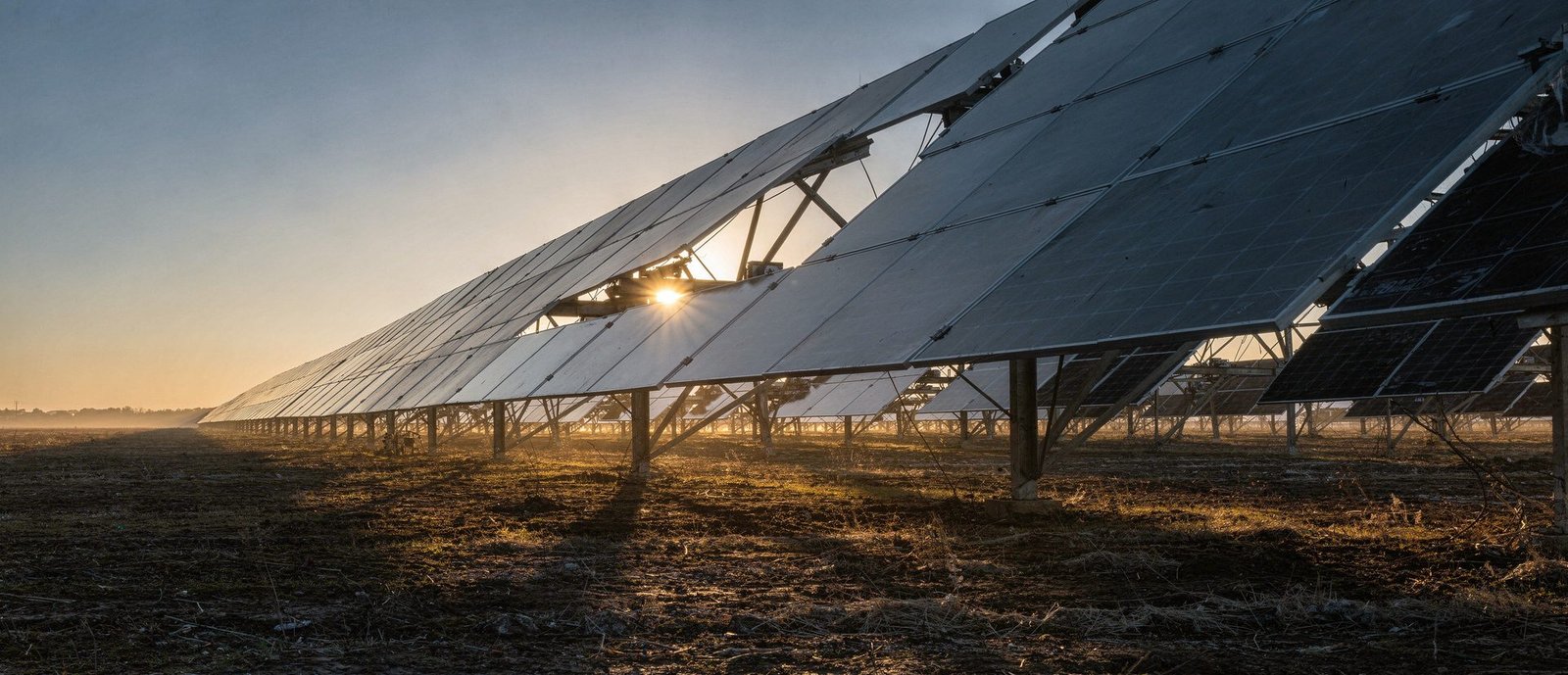
These are utility-scale ground mounted solar projects, each of 3 MW or more. ASV took the full EPC scope on the 6 MW Kutch project. On other projects the scope is agreed with the client, from installation and commissioning to full EPC. A 700 kW battery energy storage (BESS) project is also under way.
Project details and technical scope for each site are shared on request. For rooftop plants with photos and savings, see completed solar projects.


Land, Generation and Cost per MW
Depends on panel wattage, row spacing and plot shape
In Gujarat, on fixed-tilt structures
Excluding land and the evacuation line
With regular cleaning and maintenance
Figures are for every 1 MW and are indicative. A site visit and soil test give the exact numbers. For rooftop plants from 25 kW to 1 MW, see industrial solar cost per kW in Gujarat or the solar savings calculator.
For a full breakdown of cost, land, income and payback, read our 1 MW solar power plant cost guide.
Fixed Tilt, Seasonal Tilt or Tracker
Fixed tilt
- Generation
- Base level
- Cost
- Lowest
- Upkeep
- No moving parts
- Best for
- Most plants, and uneven or small plots
Seasonal tilt
- Generation
- About 3 to 5% more
- Cost
- Slightly higher
- Upkeep
- Tilt changed by hand a few times a year
- Best for
- Sites with labour on hand
Single-axis tracker
- Generation
- About 15 to 20% more
- Cost
- Higher
- Upkeep
- Motors and moving parts to service
- Best for
- Large, flat plots where each extra unit pays well
Structures and Foundations for Ground Mount Plants
The structure and foundation hold a ground mount plant up for 25+ years, through monsoon soil and strong wind. We pick them after a soil test and a pile pull-out test on your land, not from a standard drawing.
Rammed (driven) piles
- Best for
- Firm, even soil without rock
- Speed
- Fastest to install, no concrete curing
- Note
- Depth is fixed after the pull-out test
Bored concrete piles
- Best for
- Loose, sandy or black cotton soil
- Speed
- Slower, needs curing time
- Note
- Most common choice in Gujarat's mixed soils
Concrete pedestals
- Best for
- Rocky ground or sites that can't be dug
- Speed
- Moderate
- Note
- Heavier, so the structure is checked for overturning
The steel is hot-dip galvanised so it doesn't rust in the field. The design is checked for the wind speed of your district under IS 875 (Part 3); Kutch and the coast need a stronger frame than central Gujarat. We keep the lowest panel edge about 0.5 to 1 m above the ground, so rain water flows away, grass can be cut and panels can be cleaned easily.
Ground Mount vs Rooftop Solar
| Ground mount | Factory rooftop | |
|---|---|---|
| Plant size | No limit; 1 MW needs 4–5 acres | Limited by roof area (about 80–100 sq ft per kW) |
| Tilt and direction | Set for the best angle; trackers possible | Follows the roof slope and direction |
| Cost of the plant | Similar per kW, plus land, fencing and evacuation line | No land cost; structure depends on roof type |
| Approvals | Land use (NA), GETCO/DISCOM connectivity, CEI | DISCOM net metering and CEI |
| Time to build | About 6–9 months for 1 MW, including approvals | A few weeks to a few months |
| Cleaning and repair | Easy ground-level access | Roof walkways and safety lines needed |
| Best for | Large loads, landowners, captive or wheeling plants | Factories with a large, strong roof |
Many factories use both: rooftop for what the roof can hold, and a ground mount plant elsewhere for the rest, wheeled to the factory. See the 1 MW solar plant cost guide for land, cost and payback, or our factory rooftop solar page.
Planning a ground mount plant?
Tell us where the land is, its area and the load you want to cover. We will tell you what size of plant fits, what it costs and which approvals it needs.
How a Ground Mount Project Runs
- 01
Site survey and soil test
We check the land, soil, shade and the distance to the nearest substation before fixing the layout.
- 02
Plant design
Layout, mounting structure, foundations and electrical drawings are made for your plot and wind zone.
- 03
Procurement
Panels, inverters, structures, cables and transformers are bought to the agreed specification.
- 04
Installation
Foundations, structures, panels and DC and AC electrical work are completed and tested on site.
- 05
Approvals and grid connection
We handle GEDA, the DISCOM or GETCO, the electrical inspector and the evacuation line.
- 06
Commissioning and O&M
The plant is metered and handed over, then monitored, cleaned and serviced.
How a Ground Mount Plant Reaches the Grid
- Stage 1Solar panels
Rows of panels on steel structures turn sunlight into DC power.
- Stage 2Inverters
String or central inverters convert DC into AC power.
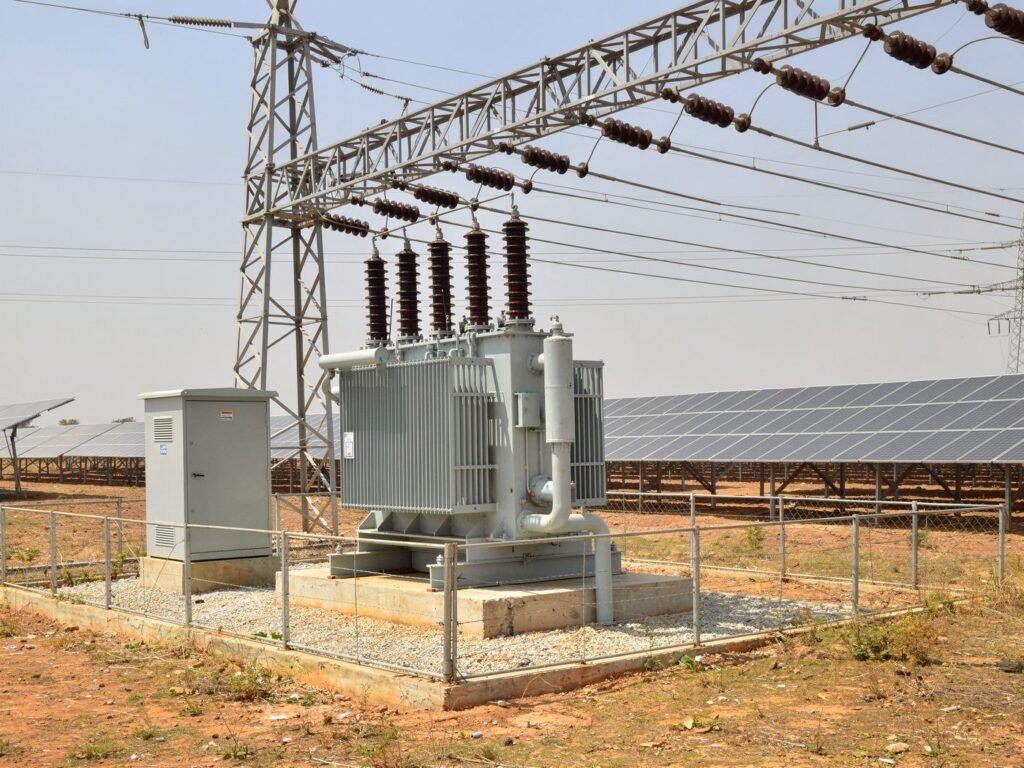
- Stage 3Transformer
Voltage is stepped up to 11 kV, 33 kV or 66 kV.
- Stage 4Evacuation line
A high-tension line carries the power out of the plant.
- Stage 5Substation
Power enters the grid and is metered for sale or captive use.
Approvals for a Ground Mount Plant in Gujarat
The paperwork usually takes longer than the construction, so it starts first.
- Project registration with GEDA, the state nodal agency
- Grid connectivity from the DISCOM or GETCO, depending on the voltage
- Land use permission for the plot, where the land is agricultural
- Electrical inspector approval before the plant is charged
- Wheeling or open access agreement when the power is for captive use at another location
- Metering and commissioning certificate from the utility
Have Land? Three Ways to Use It for Solar
Use the power yourself
Build the plant on your own land and send the power to your factory through the grid (captive use with wheeling). Best when your factory's bill is high and its roof is too small.
Lease the land
Give the land on a long-term lease to an industry or developer who builds and runs the plant. You earn a fixed yearly rent without investing in the plant.
Sell the power
Build the plant and sell the power to a buyer or the grid under a power purchase agreement. Needs the most investment and careful planning of the sale price.
What makes land suitable (and worth more) for solar
- Flat, shade-free land of 4–5 acres per MW, with clear title.
- Distance to the nearest substation: the closer it is, the cheaper the evacuation line.
- An access road for trucks and cranes during construction.
- Soil that suits the foundation, and no water-logging in monsoon.
- Agricultural land needs non-agricultural (NA) permission for solar, which usually takes 45–90 days.
Advantages and Disadvantages of Ground Mount Solar
Advantages
- No roof limit, so the plant can match your full load.
- Panels face the best angle, and trackers can add 15–20% generation.
- Easy to clean, inspect and repair at ground level.
- Can be expanded later on the same land.
- No load on factory roofs and no roof-leak risk.
Disadvantages to plan for
- Needs 4–5 acres per MW, bought or leased.
- More approvals: land use, connectivity and electrical inspection.
- An evacuation line can add a lot of cost if the substation is far.
- Fencing, security and grass cutting are ongoing costs.
- Dust in many parts of Gujarat means more frequent cleaning.
Who Ground Mount Solar Suits
Industries
Power Developers
Institutions
Landowners
Questions landowners and industries ask us
Ground Mount Solar FAQs
What is a ground mounted solar plant?
A ground mounted solar plant is a solar power plant built on open land instead of a roof. Panels sit on steel structures fixed into the ground, and the power is fed to the grid or to a factory through a transformer and a high-tension line. Most ground mount plants are 1 MW or larger.
How much land is needed for a 1 MW solar plant?
A 1 MW ground mounted solar plant on fixed-tilt structures needs about 4 to 5 acres of flat, shadow-free land. A tracker-based plant needs a little more. The exact area depends on the panel wattage, row spacing and the shape of the plot.
How much power does a 1 MW solar plant generate?
In Gujarat, a 1 MW ground mounted plant generates about 15 to 17 lakh units a year, which is roughly 4,100 to 4,600 units a day on average. Output is higher in summer and lower in the monsoon.
What does a 1 MW ground mount solar plant cost?
As an indication for 2026, a 1 MW ground mounted solar plant costs about ₹3.5 to ₹4.5 crore, excluding the land and the power evacuation line. The final cost depends on soil, structure type, the distance to the substation and the equipment chosen.
Is ground mount or rooftop solar better for a factory?
Rooftop solar is simpler and cheaper per unit when the roof is large and strong enough. Ground mount suits a factory that needs more power than its roof can hold, or that has spare land. Many industries use both.
Can a factory use power from a solar plant built on land elsewhere?
Yes. Under open access and captive rules in Gujarat, a plant on separate land can supply a factory through the grid. Wheeling and other charges apply, and the plant needs connectivity approval from the DISCOM or GETCO.
Should I choose fixed tilt or a tracker?
Fixed-tilt structures cost the least and need the least maintenance. Single-axis trackers follow the sun and generate about 15 to 20% more, but cost more and have moving parts to maintain. The choice is made at the design stage from the land, the budget and the value of each unit generated.
Which ground mount solar projects has ASV worked on?
ASV has worked on 77.75 MW of ground mount capacity across nine projects, including 18 MW for Raajratna Ventures across three sites in Gujarat, 13 MW for Solar Ace in Sangli, 10 MW each for Ataru Renewable and in Kolhapur, and the 6 MW Kutch plant, which ASV built on a full EPC scope. A 700 kW battery storage (BESS) project is also under way.
What foundation is used for a ground mount solar plant?
It depends on the soil. Rammed (driven) steel piles suit firm soil, bored concrete piles suit loose, sandy or black cotton soil, and concrete pedestals are used on rocky ground. We decide after a soil test and a pile pull-out test on your land.
Can I lease my land for a solar plant in Gujarat?
Yes. Many landowners give land on a long-term lease to an industry or developer who builds and runs the plant, and earn a fixed yearly rent. The value depends mostly on how close the land is to a substation, whether it is flat and shade-free, road access and a clear title.
Can a solar plant be built on agricultural land in Gujarat?
Yes, but the land needs non-agricultural (NA) permission for solar use first. The application goes through the state's online land portal and usually takes about 45 to 90 days. We plan it alongside the plant design so it doesn't delay the project.
What are the disadvantages of ground mount solar?
It needs 4 to 5 acres per MW, more approvals than a rooftop plant, and an evacuation line that can cost a lot if the substation is far. Fencing, security, grass cutting and dust cleaning are ongoing costs. For a factory with a large roof, rooftop solar is often simpler.